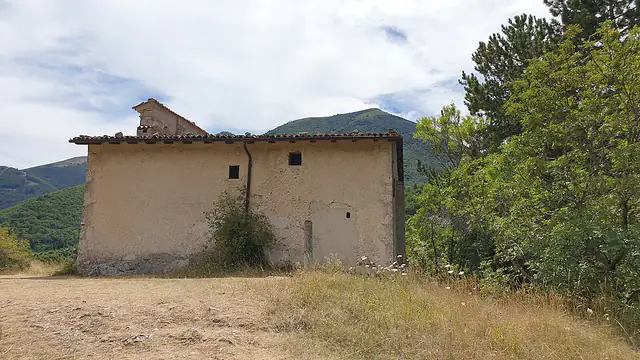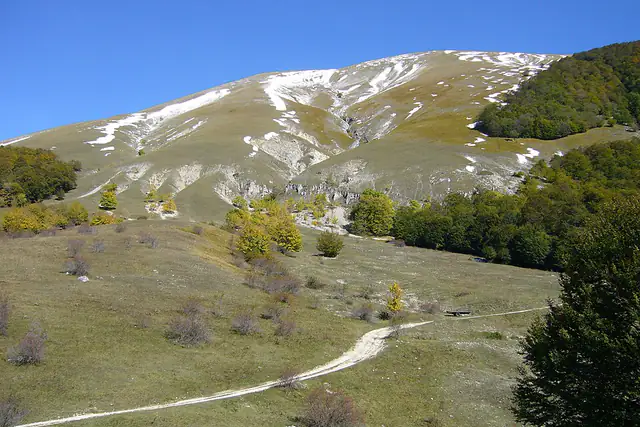
Passo Godi
AbruzzoA grassy plateau at 1,630 metres, suspended between two valleys, where the road from Scanno crosses the mountain before descending to Villetta Barr…

Mountains, high plateaus and hilltop villages: Abruzzo is Italy's region of parks, with three national parks and many other protected areas just a few kilometres from one another.
A grassy plateau at 1,630 metres, suspended between two valleys, where the road from Scanno crosses the mountain before descending to Villetta Barr…
A stone village in the Sagittario valley, minutes from the lake that looks like a heart from above: shepherds, goldsmiths and alleys that turn into…
A nature reserve as long as the river that carved it: limestone rock, water running along the bottom and woods climbing to almost fifteen hundred m…
A little stone church with a two-light portico, looking out over the green water of the lake, and behind the altar the entrance to a cave: it is th…
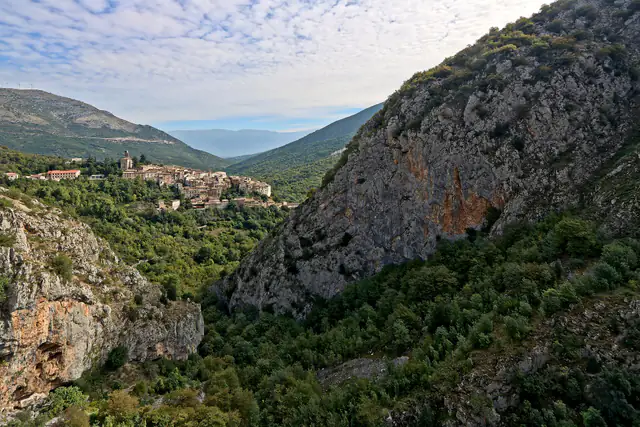
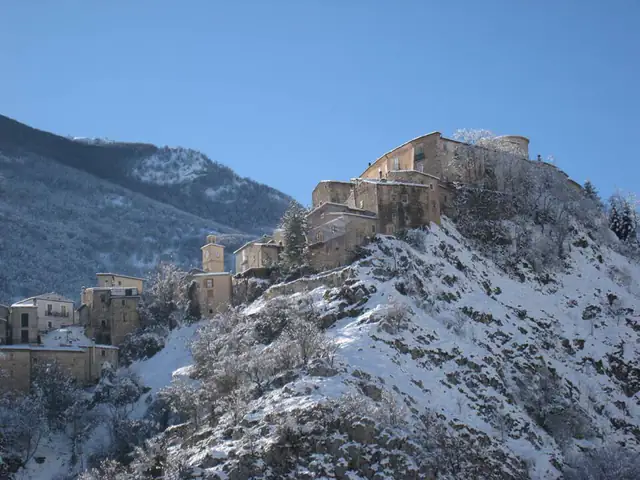
A medieval village at the mouth of a gorge, with a sixteenth-century church that kept a stolen triptych and, a little above, a village suspended on…
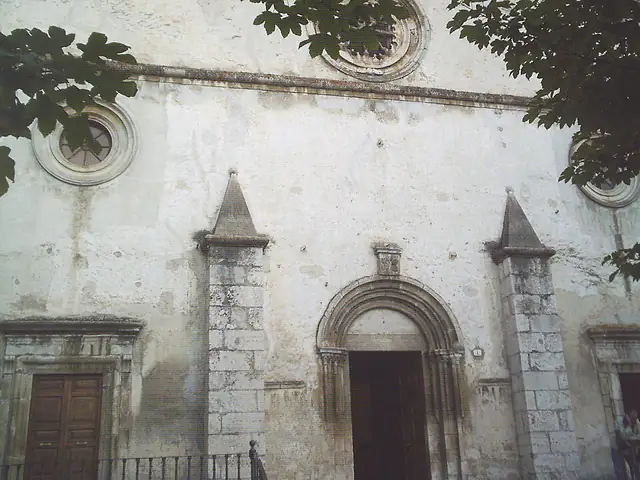
Scanno's mother church is a church of local stone, with a bell tower thirty-five metres high, a portal with carved doors showing two skulls and, in…
The right place, in the right month
Backwanders
6 lesser-known places, from dawn to dusk. Scroll and follow the light.
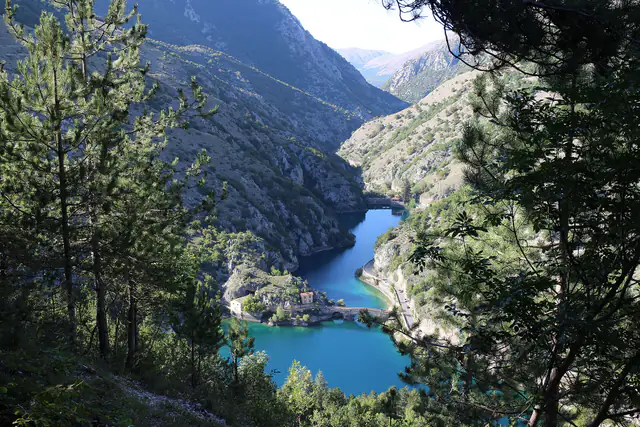
The largest natural lake in Abruzzo, at 922 metres in the Sagittario valley: from above it is shaped like a heart…
Discover the place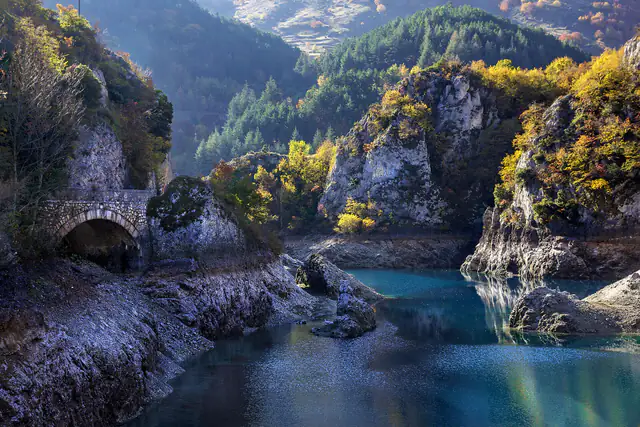
A nature reserve as long as the river that carved it: limestone rock…
Discover the place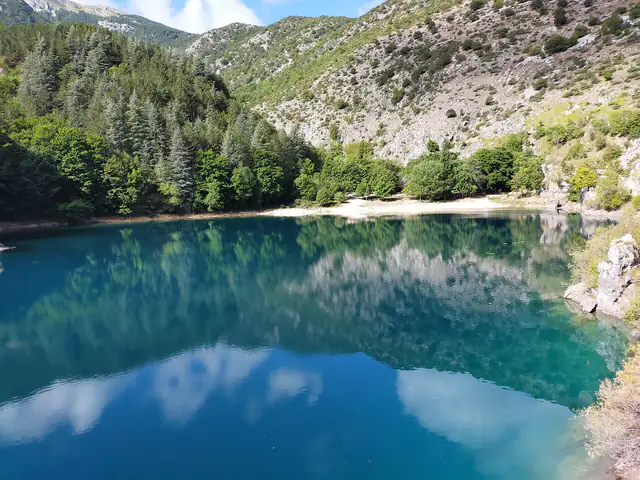
An emerald-green lake tucked between rock walls, with a stone bridge crossing it and, not far away…
Discover the place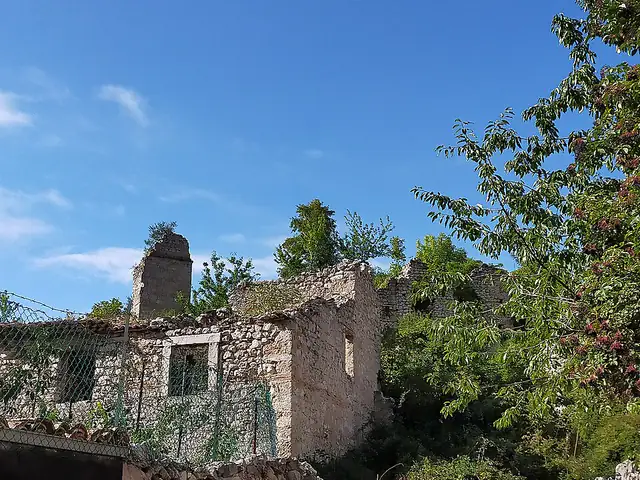
A stone village left half-standing, with ruined houses, the remains of a bell tower and Lake Scanno below.
Discover the place
A little stone church with a two-light portico, looking out over the green water of the lake, and behind the altar the entrance to a cave…
Discover the place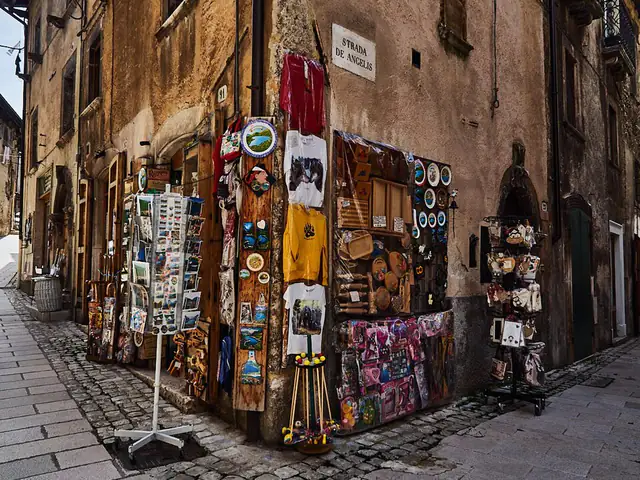
A stone village in the Sagittario valley, minutes from the lake that looks like a heart from above: shepherds…
Discover the place