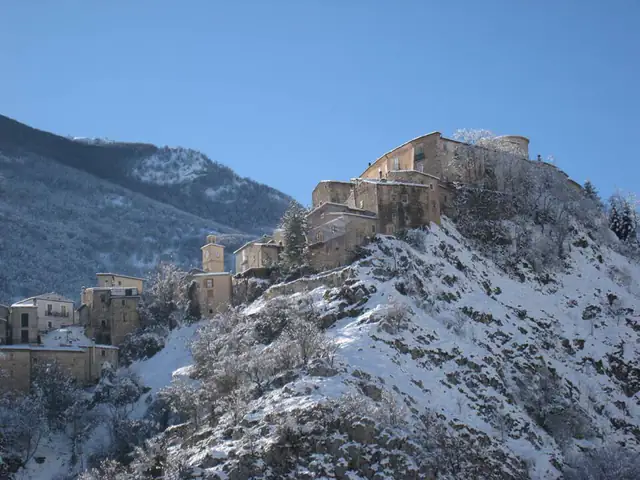
Villalago
AbruzzoA stone village clinging to the side of a mountain, with houses held up by arches and, below, a green lake and a cave where the saint of the snakes…

A stone village left half-standing, with ruined houses, the remains of a bell tower and Lake Scanno below. Frattura Vecchia is the village that the 1915 earthquake almost entirely destroyed and that its inhabitants left to rebuild a little further south.
A stone village clinging to the side of a mountain, with houses held up by arches and, below, a green lake and a cave where the saint of the snakes…
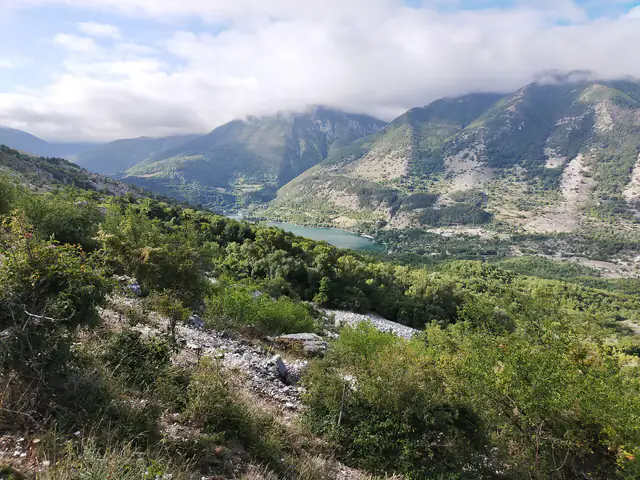
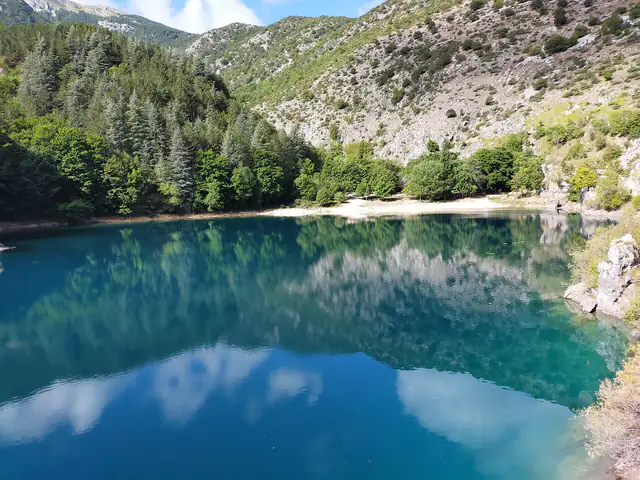
The largest natural lake in Abruzzo, at 922 metres in the Sagittario valley: from above it is shaped like a heart, close up it has colours that cha…
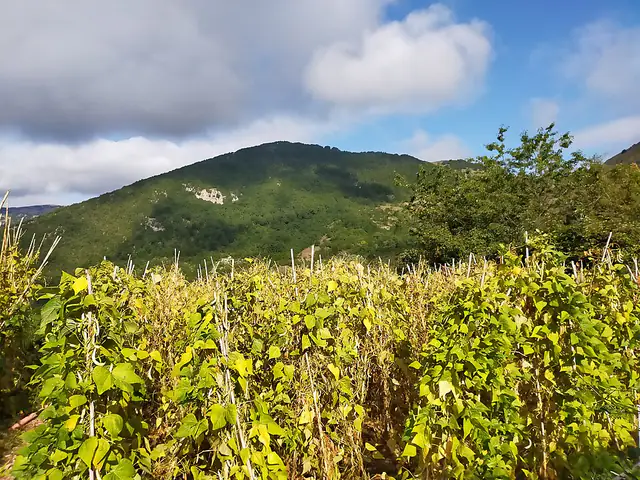
A native variety, also called fagiolo di pane, used in sagne a pezze, also called “tocconelle”, and as a side dish or in salad.
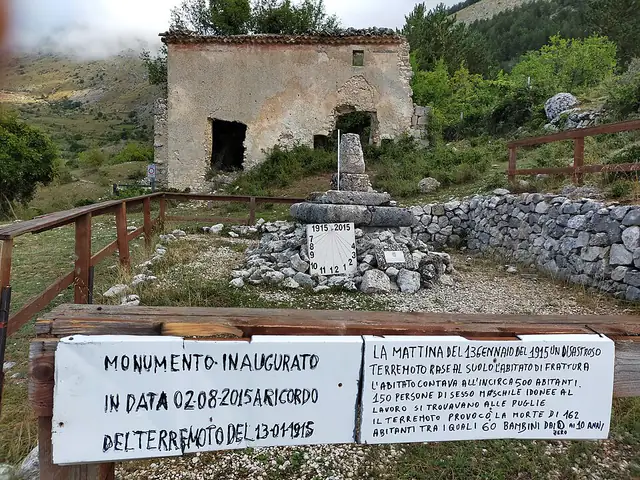
A monument commemorates the 1915 Marsica earthquake and its victims.
It commemorates the 1915 Marsica earthquake.
Soft light and fewer people: pleasant days.
A stone village left half-standing, with ruined houses, the remains of a bell tower and Lake Scanno below. Frattura Vecchia is the village that the 1915 earthquake almost entirely destroyed and that its inhabitants left to rebuild a little further south.
It is a hamlet of Scanno, but its story is all mountain: shepherds on the transhumance, women who stayed at home and a prehistoric landslide that gave the place its name and created the lake.
Frattura lies on the western slopes of the Genzana massif, between 1,260 and 1,307 metres above sea level, above Lake Scanno. The two villages of Frattura, the old and the new, are surrounded by the peaks of the Genzana, the Rognone, Serra Leardi and the Rava, and overlook the lake. You arrive by the provincial road that leaves the SR 479 near the lake; many trails start from here.
The yellow route follows the roads and links Frattura Vecchia to nearby places; the dotted line is the short connection from the road to the place.
Data: © OpenStreetMap contributors (ODbL) · Relief from AWS Terrain Tiles (SRTM, EU-DEM and other open sources).The name recalls a geological event: in prehistoric times a great landslide broke away from Monte Rava, in the Genzana group, and blocked the river Tasso, forming Lake Scanno. The landslide, thousands of years ago, created the lake that today is the symbol of the area, and from that phenomenon Frattura takes its name.
The settlement began in the Middle Ages, when the fortification of Frattura was started by the Di Sangro counts and then handed over to the monastery of Montecassino. Life revolved around sheep farming: the men left with the flocks for the transhumance towards Puglia and the women stayed to look after the houses and fields.
On 13 January 1915 the great Marsica earthquake, with its epicentre near Avezzano, destroyed a good part of the village. The reason lies in the place: the old settlement stood near the detachment niche of the prehistoric landslide, on ground of debris that amplifies seismic waves, and neighbouring villages suffered less damage.
The victims were about half of the residents: almost all of those in the village died, mostly women and children, because the men were away with the flocks. The figures for inhabitants and dead vary from one source to another, but all tell the same tragedy.
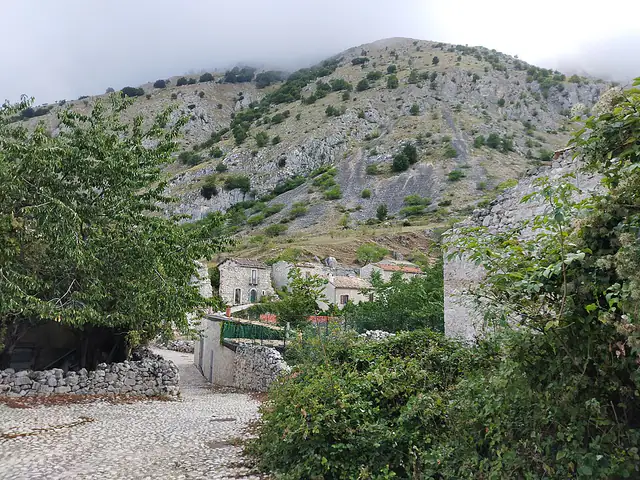
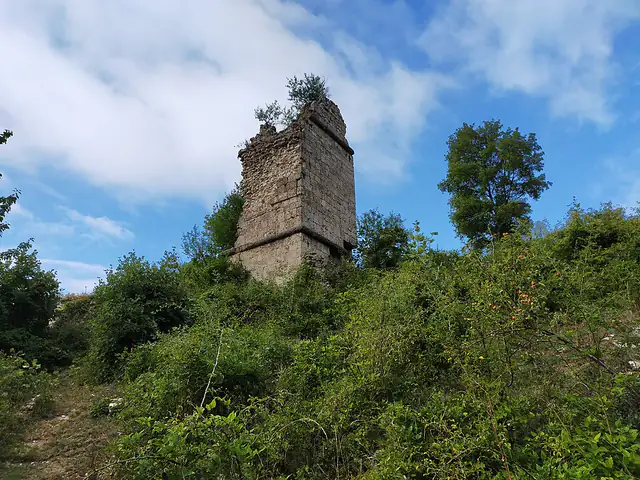
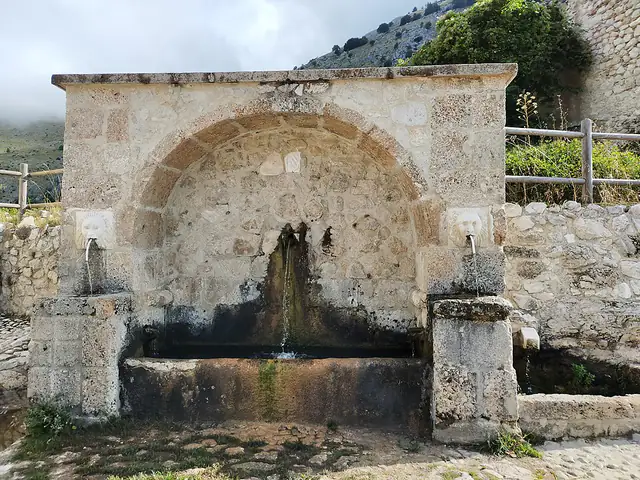
Of the ancient village the ruins remain. Some stone houses have been restored and, from the twenty-first century, the village has been given new value with the recovery of the best-preserved houses. At the entrance to the nucleus there are a stone fountain and a chapel dedicated to the Madonna; the upper part is the most damaged, with the remains of the houses and of the bell tower of the old church of San Nicola, which collapsed in 1915.
Among the monuments are a nineteenth-century drinking trough, a cross and a memorial to the 1915 earthquake. It is best to look from the outside and keep to the paths: ruined buildings can be unstable.
The new village was rebuilt further south, on another spur of Monte Rava, between 1932 and 1936. The church of San Nicola (Saint Nicholas) was rebuilt in Frattura Nuova in 1920, in neo-Romanesque style, and keeps a fifteenth-century bell from the old church; the patron saint's festival is celebrated in September.
In Frattura the white bean is grown, also called fagiolo di pane (bread bean), a native variety used in sagne a pezze and as a side dish.
The village has served as a set: in 1956 some scenes of the film Uomini e lupi (Men and Wolves), with Silvana Mangano and Yves Montand, were shot there, and in 2002 some scenes of Un viaggio chiamato amore (A Journey Called Love), by Michele Placido.
From Frattura many trails start for trekking, horse riding and cycling, towards the Genzana and towards the protected areas: the Monte Genzana e Alto Gizio nature reserve and the Abruzzo, Lazio and Molise National Park. It is best to arrive with water and suitable shoes.
From the village you go down to Lake Scanno and the village of Scanno; further on, by car, are the Sagittario Gorges and Lake San Domenico.
The village is at altitude and is best visited from May to October, with June and September among the most pleasant months; in winter the mountain roads require caution. Month by month, below you will find what to expect.
A native variety, also called fagiolo di pane, used in sagne a pezze, also called “tocconelle”, and as a side dish or in salad.
A village to look at from the outside and to tell.
The roofless stone houses and the remains of the bell tower of the old church of San Nicola, in the upper part of the nucleus, the most damaged.
At the main access to the old nucleus a stone fountain and a chapel dedicated to the Madonna remain.
A monument commemorates the 1915 Marsica earthquake and its victims.
From Frattura many routes start for trekking, horse riding and cycling, towards the reserve and the park.
The stories and typical things of Frattura.
Frattura owes its name to the prehistoric landslide of Monte Rava, which blocked the river Tasso and formed Lake Scanno.
Frattura's patron saint is San Nicola, celebrated in September; the old church collapsed in 1915 and the new one was built in 1920.
Best time: from May to July and from September to October. The bars show how well suited the month is: the taller, the better.
At altitude with snow: mountain roads require caution.
Still winter at altitude: short days and few people.
The thaw: trails and roads can still be damp.
Green returns on the slopes: a good time for walking.
Full green and long days: one of the loveliest months for the trails.
At altitude it is cool even in summer: walking is pleasant.
The coolness of altitude is a relief from the heat of the valley floor.
A month of heavy traffic towards Scanno: it is best to arrive early.
Soft light and fewer people: pleasant days.
Festivals and traditions Festival of San Nicola, in Frattura Nuova
The woods light up and the lake is seen from above among the colours.
Short days and cold at altitude: it is best to choose something else.
Cold and short days: mountain roads to be tackled with caution.
Postcards from the area, with the straight-line distance.
The coolness of altitude makes the village and the trails pleasant even in the warm months.
The woods light up and the lake is seen from above: the most photographed season.
It is the ancient nucleus of Frattura, a hamlet of Scanno, abandoned after the 1915 earthquake that destroyed most of it; the village was rebuilt further south under the name of Frattura Nuova.
Read more: The 1915 earthquakeOn the western slopes of the Genzana massif, between 1,260 and 1,307 metres above sea level, above Lake Scanno: you arrive by the provincial road that leaves the SR 479 near the lake.
Read more: Where Frattura Vecchia isFrom a prehistoric landslide of Monte Rava, which blocked the river Tasso and formed Lake Scanno.
Read more: The name comes from a landslideThe Marsica earthquake of 13 January destroyed a good part of the village: about half the residents died, mostly women and children, because the men were away with the flocks.
Read more: The 1915 earthquakeYes, from the outside and keeping to the paths: at the entrance there are a fountain and a chapel; the ruins of the upper part can be unstable, so you do not enter the buildings.
Read more: The ruins and the restored housesThe new village, rebuilt further south, on another spur of Monte Rava, between 1932 and 1936, with the church of San Nicola.
Read more: Frattura Nuova, the church and the beanA native variety of bean, also called fagiolo di pane, used in sagne a pezze and as a side dish.
Read more: Frattura Nuova, the church and the beanIn 1956 some scenes of “Uomini e lupi” (Men and Wolves), with Silvana Mangano and Yves Montand, and in 2002 some scenes of “Un viaggio chiamato amore” (A Journey Called Love) by Michele Placido.
Read more: A place for the moviesFrom May to October, with June and September among the most pleasant months; in winter the mountain roads require caution.
Read more: When to go, month by month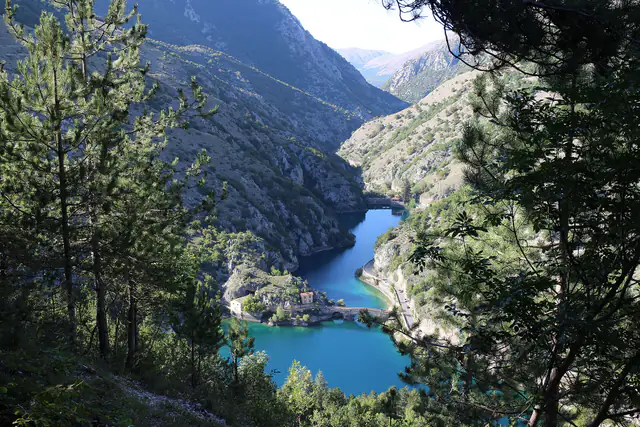
 3 km
 3 km
 3 km
 4 km
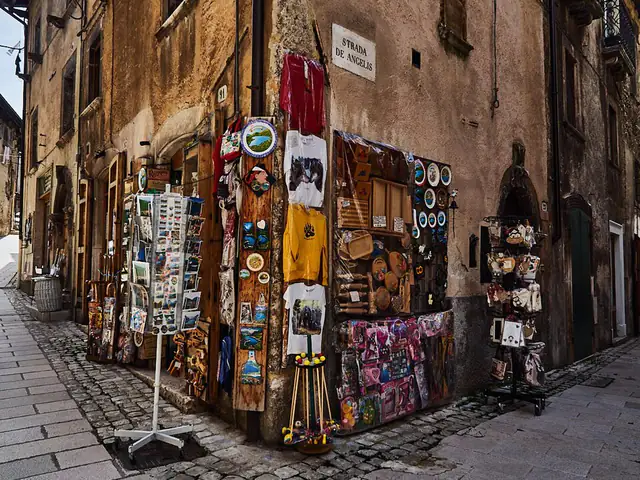 5 km
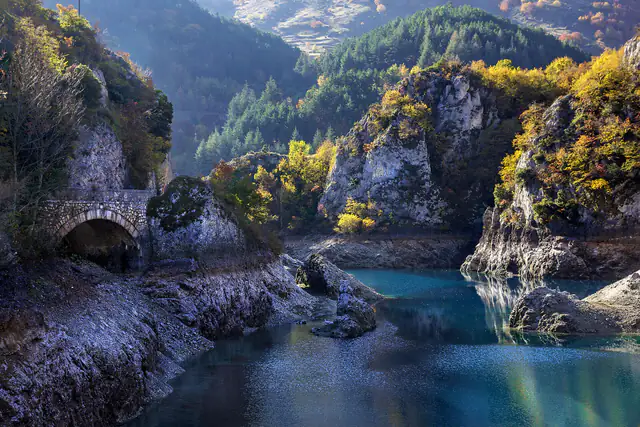 7 km